Game Hardware Price Shock: DDR5 Up 3x, Switch 2 Now $499.99
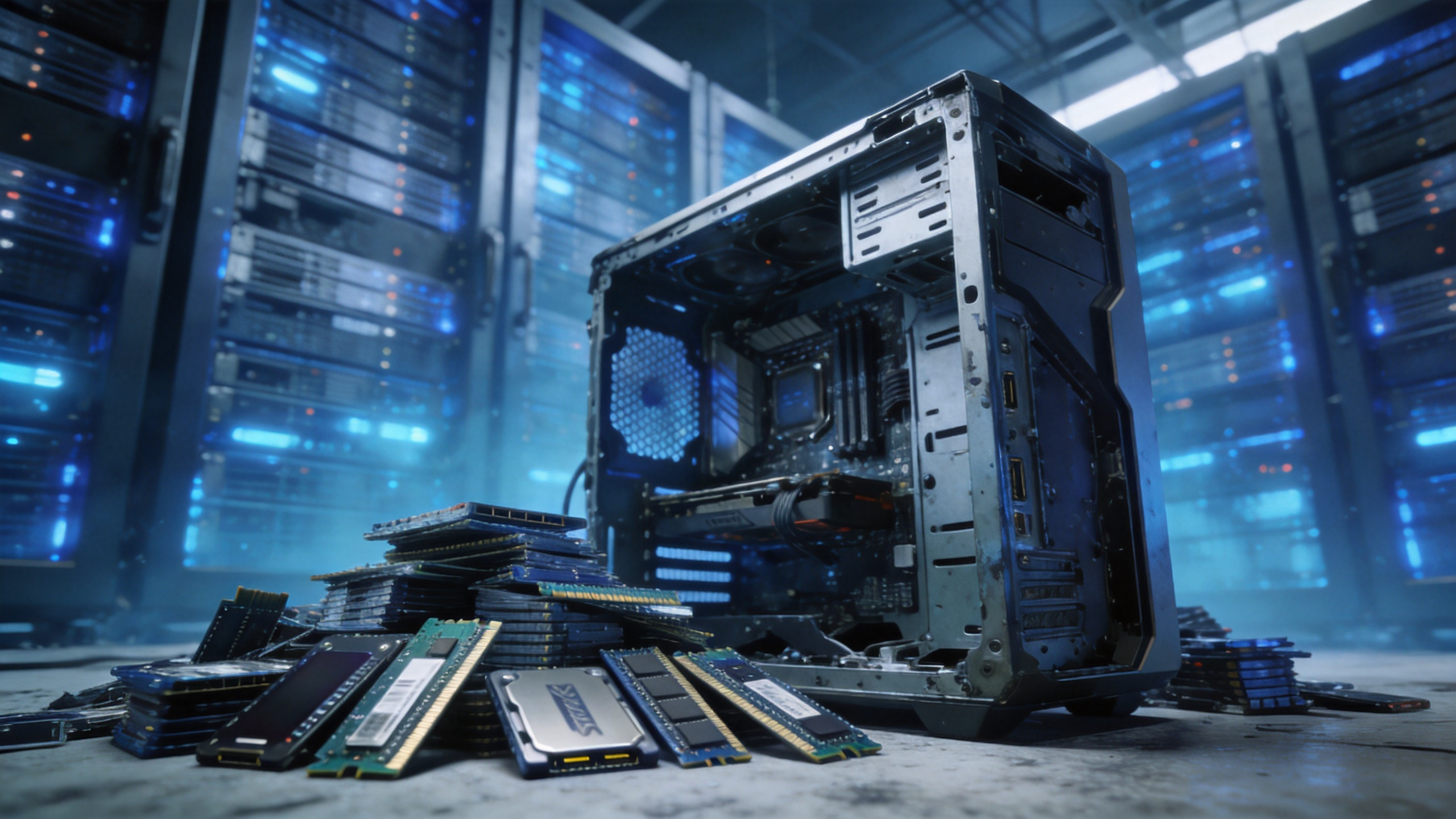
Nintendo raised the US Switch 2 from $449.99 to $499.99 on September 1, after hiking Japan 20% in May. Valve shipped the Steam Machine at $1,049, about 40% above its $750 target, and a 16GB DDR5 stick in China went from ¥450 to ¥1,800. The cause is one thing: AI data centers took the memory capacity. This piece traces the chain with real numbers and sources.
一、 Three Price Hikes, Each Worse Than the Last
The 2026 bill arrived in three installments: consoles first, then handhelds and living-room PCs, then the DIY market.
1.1 Nintendo: $50 Only "Slows the Bleeding"
Nintendo of America announced on May 7 that the Switch 2's US MSRP would rise from $449.99 to $499.99 on September 1, 2026, while the "Choose Your Game" bundle disappeared the same day. Japan moved first: on May 25 the Japanese model went from ¥49,980 to ¥59,980, a 20% jump.
How much does that cover? Nintendo's own fiscal-2027 forecast puts combined component and tariff costs at roughly ¥100 billion, about $638 million. President Shuntaro Furukawa was direct: the increase is not about profit, it is about passing parts and tariff costs on "as much as possible."
1.2 Valve: Steam Machine Landed $300 Above Plan
The Steam Machine went on sale June 29 at $1,049 for 512GB and $1,428 for the 2TB configuration with a controller, roughly 40% above Valve's original target of about $750. Valve admitted it in its own blog: the original pricing goal "is no longer viable," and today's prices reflect components locked in over the past six months.
According to Gamers Nexus, Valve engineers seriously considered dropping the machine to single-channel memory just to stretch supply. The Steam Deck OLED 1TB went from $649 to $949 over the same period.
二、The Real Culprit: AI Data Centers Ate the Memory Supply
Stack the three companies' statements together and they point at one thing: the games industry is not raising prices, it is fighting AI for parts.
2.1 DRAM Contract Prices Up 90%–95% in a Single Quarter
TrendForce's March 2026 report delivered the numbers: conventional DRAM contract prices were expected to rise 90%–95% quarter-over-quarter in Q1, with blended DRAM and HBM pricing up 80%–85%. Second-quarter contract prices were reported heading as high as 40% higher.
The mechanism is simple. Clusters need HBM, so fabs shifted wafer capacity toward it, and consumer DDR5 and LPDDR5X supply tightened. Bloomberg reported Nintendo paying roughly 41% more for Switch 2 LPDDR5X modules.
2.2 A Box of Server RAM Costs as Much as an Apartment
Retail tells the story more bluntly. A July ZOL survey found a 16GB DDR4-3200 stick that sold for about ¥130 in early 2025 now going for over ¥700. A 16GB DDR5 stick moved from ¥450 to ¥1,800; a 32GB kit from ¥900 to ¥3,800; a 1TB SSD from ¥410 to ¥950.
Enterprise pricing is wilder: a single 256GB DDR5 server module now quotes above ¥40,000, and a 100-module case approaches ¥4 million — prompting the local joke that a carton of RAM costs as much as a Shanghai apartment.
Tom's Hardware framed it starkly: memory's per-gigabyte price has fallen back to 2007 levels, with the shortage "undoing 20 years of progress in a matter of months."
三、Who Actually Pays the Bill
3.1 Japan Ran the Experiment: Rush, Crash, Recovery
Japan accidentally served as the control group. Because its hike landed three months early, Famitsu's monthly estimates show the aftermath: about 200,000 units in April; 712,000 in May as buyers rushed the deadline; 100,166 in June, the first full month at the new price; 136,648 in July, helped by new Rhythm Heaven and Splatoon releases.
The lesson: a hike digs a hole, not a grave.
3.2 GPUs Are Following
Memory is not the only part under pressure. In July, Nvidia notified partners of higher GPU-kit prices (die plus VRAM), expanding the change from GDDR7-based RTX 50-series parts to GDDR6 products. At channel level, Galax's September dealer pricing adds a flat ¥500 across RTX 5080 SKUs.
3.3 PC Builders Are Downgrading on Purpose
The DIY community's defense is simple: downgrade. Give up dual-channel DDR5, drop to a single 16GB stick, swap 1TB of SSD for 512GB. Tom's Hardware benchmarked what single-module DDR5 does to gaming and concluded the loss is "better than you probably think."
四、The Counterargument: Will This Pass?
There is a case for optimism. Both Valve and Nintendo said current prices reflect components locked in six months ago, so if memory loosens, prices can move down.
The counter-evidence is harder. Apacer's CEO warned in July that DRAM allocations to module makers could fall below 30% of 2026 levels in 2027. New fab capacity goes mostly to HBM, and Apple reportedly has about $1 billion of iPhone 18 wafers stuck un-packaged for lack of DRAM.
In the short term, gamers do not get their relief.
五、My Take: The "Wait for the Price Drop" Crowd Finally Lost
For a decade, waiting was the rational strategy in PC building: GPUs fall in price, RAM halves, sit out six months and you win. That broke in 2026, because the counterparty is not a hardware vendor — it is AI companies burning billions a month on clusters. You are waiting for a discount; they are waiting for a shipment.
Nintendo and Valve are the wrong villains. They have no incentive to raise prices; higher prices only hurt unit sales. What deserves more suspicion is the framing that treats "AI squeezing consumer electronics" as a blip. If 2027's capacity split looks like Apacer predicts, this is consumer hardware getting structurally deprioritized.
So: if you need a build, buy it. The cost of waiting in 2026 is already written into those three Japanese sales figures. Come discuss in the Gghubs comments.
六、FAQ
Q1: Why did gaming hardware get so expensive in 2026?
Because AI data centers absorbed memory capacity. TrendForce measured Q1 2026 conventional DRAM contract prices up 90%–95% quarter-over-quarter as fabs shifted wafers to HBM, tightening DDR5 supply. Switch 2, Steam Machine and GPUs all repriced.
Q2: Is the Switch 2 still worth buying at $499.99?
If you already planned to buy one, waiting costs more — Nintendo announced no reversal. Japan's Famitsu data shows demand survived: 100,166 units in June and 136,648 in July.
Q3: When will DDR5 prices come down?
Most forecasts point past 2027. Apacer's CEO expects module makers to receive under 30% of their 2026 DRAM allocation in 2027, and supplier contract prices were still climbing in Q2.
Q4: What is the cheapest way to build a PC right now?
Cut redundant memory and storage first: a single 16GB DDR5 module instead of dual-channel, and 512GB of SSD instead of 1TB. Tom's Hardware found the gaming penalty modest. A console is worth weighing too — the repriced $499.99 Switch 2 still costs less than a mid-range PC's RAM and SSD line items.