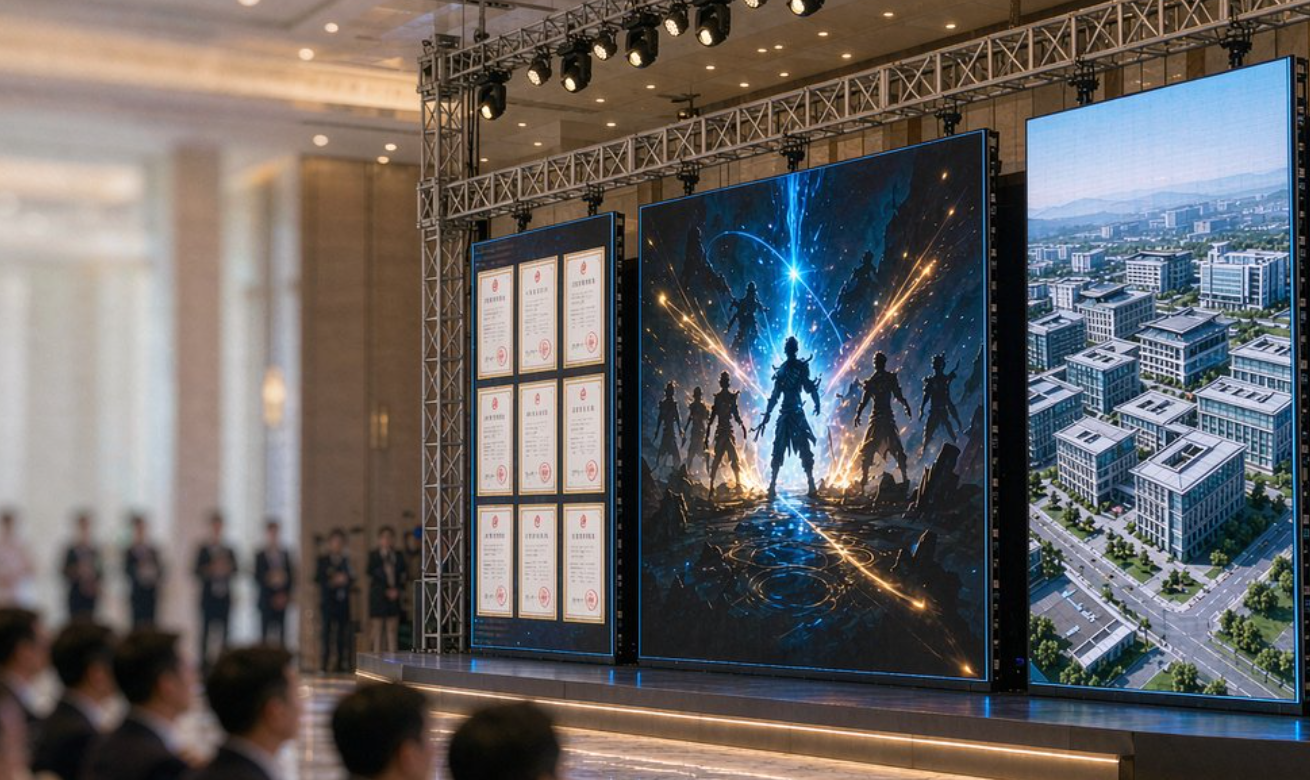
China’s gaming sector has seen a flurry of recent developments across policy, product and platform fronts. Taken together, they point to a coordinated recovery taking shape across the industry.
News of the 209 game licences issued in September has gradually rippled through the market. On October 13, A-share game stocks rallied broadly, with the media sector also drawing significant capital inflows. To be fair, licence issuance has long become regularised over the past two years, yet each batch still delivers a tangible boost to market confidence. After all, for the entire industry, game licences are the gatekeeper of content supply. A steady issuance rhythm gives publishers the confidence to ramp up R&D investment and make long-term plans. This batch includes 206 domestic online games and 3 imported titles, covering a wide range of genres — a clear sign that domestic R&D momentum has remained strong.
Market confidence is not underpinned by policy alone; ultimately, it is products that speak for themselves. In Sensor Tower’s September global mobile game revenue ranking, Honor of Kings retained its firm hold on the top spot. A “veteran title” after years of operation, it has consistently topped the global revenue charts, which speaks volumes: China’s mobile game industry has entered the world’s top tier in terms of industrialised R&D and long-term live operations. Such evergreen titles anchor the industry’s fundamentals. No matter how the broader market fluctuates, they deliver a stable user base and revenue stream. This solid foundation is what gives the sector its resilience against risks.
With a solid product foundation in place, platforms are also seizing the moment to evolve. Marking its 10th anniversary, Huya has established its global R&D headquarters in Foshan, adopting a multi-site collaborative model focused on incubating innovative businesses and driving esports industry synergy. The move makes clear that the company is no longer content to be just a “broadcast channel” for game livestreaming, but aims to move further up the gaming industry value chain. The transition from a livestreaming platform to a comprehensive gaming ecosystem service provider may sound like an abstract concept, but the launch of the R&D headquarters marks a concrete, deep-rooted commitment to the industry. This is a natural progression of industry development: as the gaming sector grows and its content ecosystem becomes more diverse, platforms will inevitably move up the value chain to capture more of the industry’s growth dividends.
Policy provides stable expectations, hit titles continue to lead on the product front, and even distribution platforms are upgrading deeper into the industry. These three forces do not work in isolation — they reinforce one another: steady licence issuance gives publishers the confidence to create more high-quality games; more strong titles bring platforms abundant content and traffic; and a mature platform ecosystem in turn feeds back into game R&D and publishing.
This is perhaps a reflection of the growing maturity of China’s gaming industry. Instead of relying on the luck of a one-off hit, the sector has built a complete positive cycle spanning policy, products and platforms, moving steadily upward step by step.
*Data aggregation is sourced from Gghubs.