
This palworld breeding best pals guide covers breeding on the current version: the order for filtering passive skills, how to set up parent gene pools, whether a Mutation is worth keeping, and how to assign bred Pals to base production lines by Work Suitability. It includes the practical effect of the v1.0.4 change that lowered Ancient Bark gathering to Level 1 and the new per-player building limit server setting.More Palworld guides at gghubs.com.
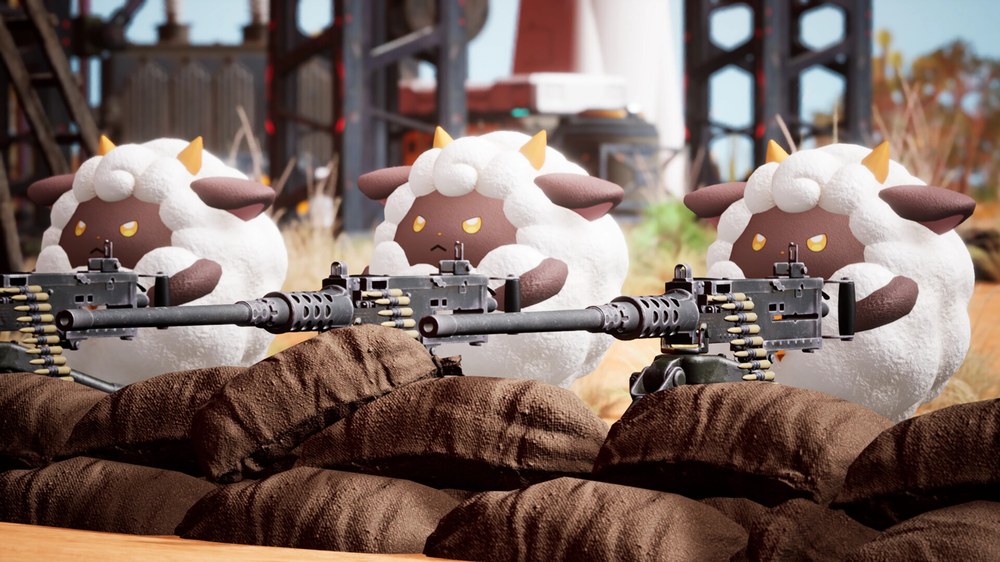 Applicable version: v1.0.5 (2026-09-15; the 1.0 release line, not early access)
Palworld 1.0.5 Breeding Basics: What the Version Changed
Confirm your version state before planning, because 1.0 rebalanced Pal stats and mechanics across the board.
Three changes 1.0 brought
The 1.0 release added 72 new Pals for a total of 287, rebalanced stats and abilities for all Pals, and introduced Awakening and Mutation as new routes to strengthen them. The player level cap also rose from 65 to 80 .
The useful parts of 1.0.5 and 1.0.4
v1.0.5 fixed an issue where terrain, building, and other textures could load at significantly reduced resolution for some players, and fixed map icon filters being unintentionally switched off after respawning . v1.0.4 lowered the Work Suitability level required to gather Ancient Bark to Level 1 and adjusted how base Pals behave with charging-type skills . The first of those directly shortens the early base-building material chain.

Palworld Passive Filtering: Subtract Before You Add
The goal of breeding is not volume. It is a clean gene pool.
Passive priority order
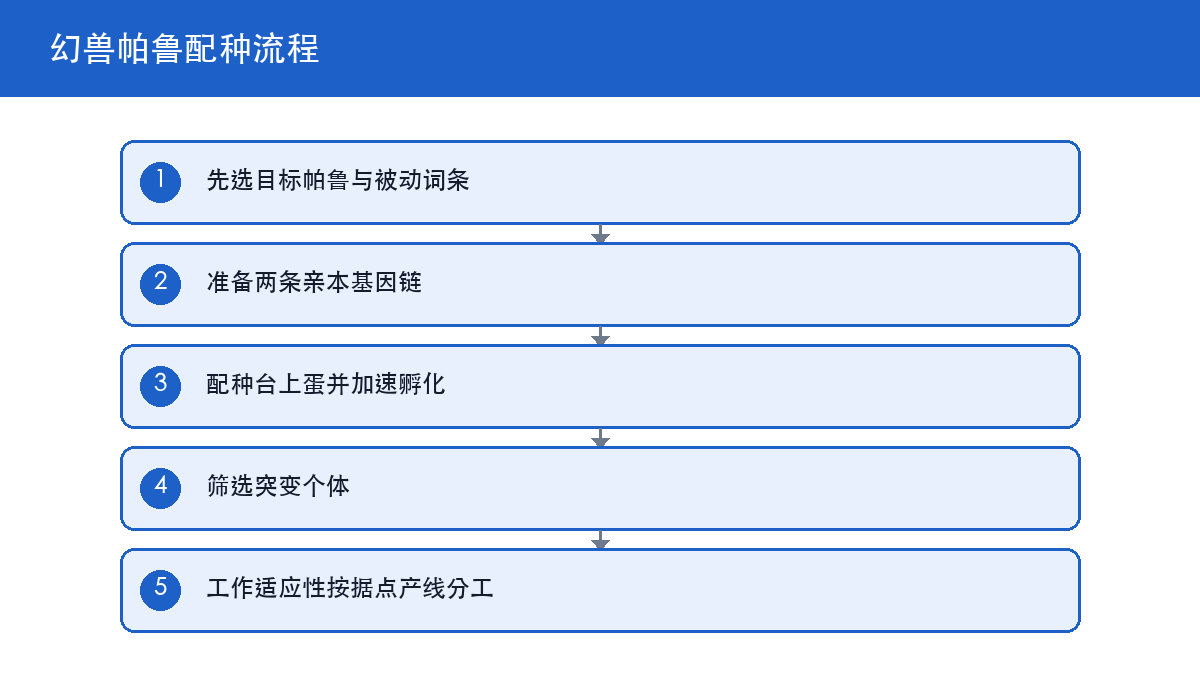
Passives fall into three groups: attack passives that raise damage directly, work passives that raise base efficiency, and negatives that clearly hurt . The first breeding action is removing the negatives, not chasing a rare positive. A Pal with one negative passive is usually worse than one that is simply missing a positive.
Choosing parents
Both parents' passive pools influence what the offspring can inherit . The correct setup is two parents with clean pools so that the useful passives converge within two generations, rather than betting on a Pal that carries every passive at once.
What to do with a Mutation
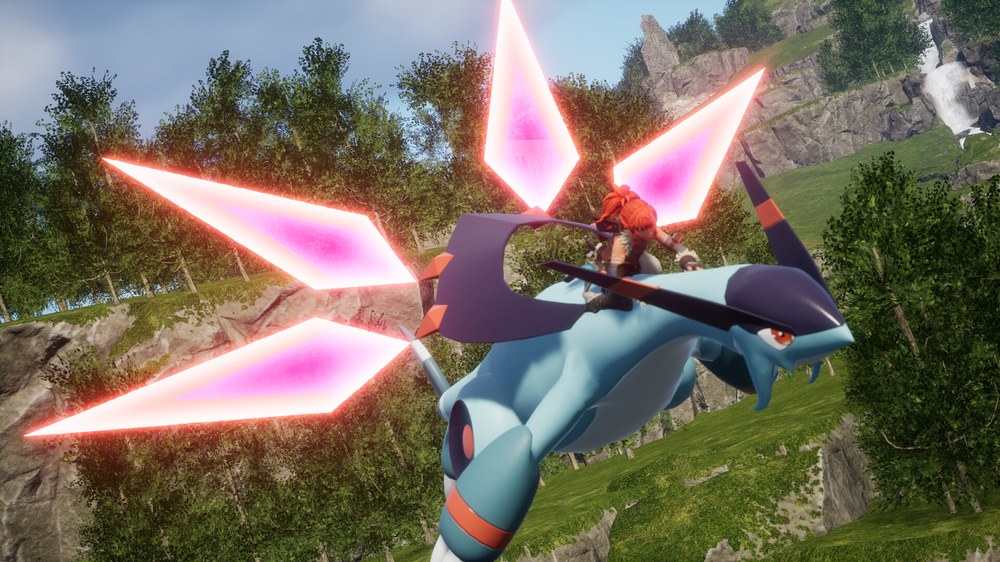
Mutation is a low-probability breeding outcome added in 1.0 . Treating it as the primary goal is a mistake because it is not controllable. Counting it as extra value while the main line stays deterministic keeps the breeding rhythm stable. Because Mutation cannot be forced, the practical routine is to keep the same clean pair breeding on a fixed schedule and inspect every hatch, rather than redesigning the pairing each time one fails to appear. That way deterministic progress continues regardless of what the odds do.
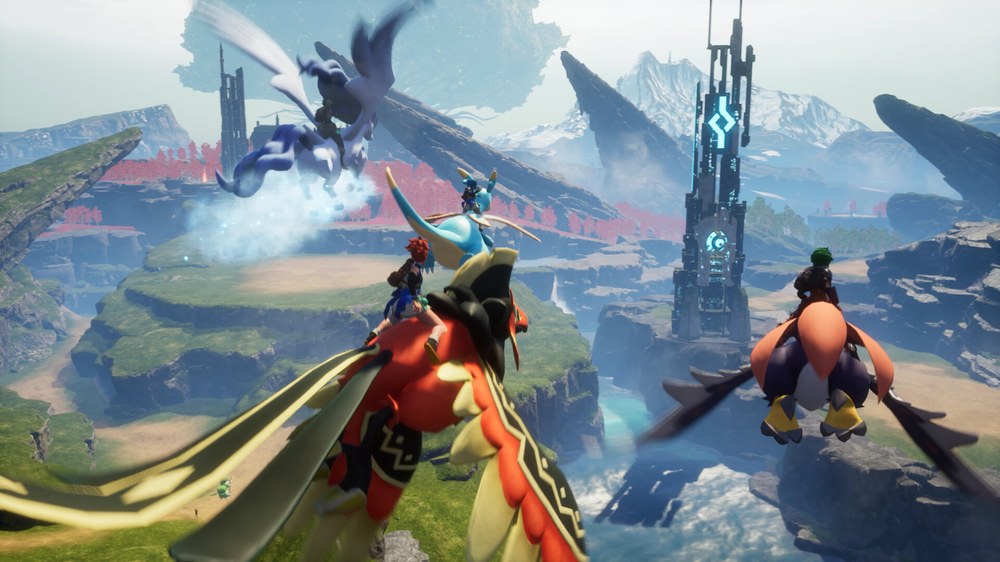
Palworld Base Work Suitability: Assigning the Production Line
Bred Pals eventually land on base production lines, where Work Suitability assignment decides real output.
Specialists versus generalists
Pals that excel at a single job belong on the matching line, while generalists work best as fillers . Piling every generalist into one base is a common error, because bottlenecks usually appear at the front of the material chain, where a filler actually helps.
Early pacing after the Ancient Bark change
v1.0.4 lowered the Work Suitability required to gather Ancient Bark to Level 1 . Early bases no longer need a high-tier Pal dedicated to bark gathering, which frees level resources for slots that need them more. This matters because it shortens the early base-building wait.
Use the building limit setting properly
v1.0.4 added a server setting letting administrators set a per-player limit on the number of buildings that can be built in the world . On multiplayer bases that setting decides whether a production layout can actually be extended, so check the value before drawing up a plan.
Palworld Breeding and Base Assignment Table
| Stage | Breeding target | Base focus | Basis |
|---|---|---|---|
| Early | Work-suitability Pals with clean pools | Gathering and basic production | Ancient Bark dropped to Level 1 |
| Mid | Attack-passive damage dealers | Combat and defense slots | 1.0 rebalanced all Pal stats |
| Late | Mutated and Awakened Pals | High-difficulty content | Mutation is a low-probability outcome |
Plan breeding and bases together
Breeding produces labour, and the base decides how that labour is used. Putting both on one page avoids the common outcome of Pals with great passives that have nowhere useful to work. A short written list of target passives per line also stops two breeders working from different assumptions about what the base actually needs next.
The game keeps updating
The official announcement channel continues to publish changes, so any balance adjustment after v1.0.5 follows official notices . Checking the official feed before a long breeding project takes a minute and can save a whole gene pool from being built around numbers that have already moved. This guide cites only the official channel and does not use third-party media summaries as sources.

Palworld 1.0.5 Breeding FAQ
What version is Palworld currently on?
A: v1.0.5 (2026-09-15), on the 1.0 release line rather than early access .
When was the Mutation mechanic added?
A: In the 1.0 release (2026-07-10), alongside Awakening, as a new route to strengthen Pals .
Does Ancient Bark still need high Work Suitability?
A: No. v1.0.4 lowered the required Work Suitability for gathering Ancient Bark to Level 1.
Should I chase rare passives first when breeding?
A: No. Remove negative passives first and then combine positives; a Pal carrying a negative passive is the worse deal.
Where is the building count limit set?
A: It is the server setting added in v1.0.4, where administrators set a per-player limit .
Palworld 1.0.5 Breeding Action List
- Confirm the game version is v1.0.5 before planning around old numbers.
- Clean your parents' passives and pull negatives out of the gene pool first.
- Set up two parents with clean pools so positives converge within two generations.
- Treat Mutation as a bonus rather than the primary target.
- Split base lines by specialist and generalist, putting fillers at the front.
- Check the per-player building limit before starting a multiplayer base build.