Version 4.1, “A Death at Romenel Manor,” went live on November 5. The first-half banner features Perchta, a six-star Star-afflatus unit; the second half switches to Evelyn of the Beast afflatus. This guide covers Perchta alone: she fills the survival slot Cognition teams lack most, and we will walk through how to build her, where to stop with Portraits, and which psychube to pick. If you want the full version schedule first, the Reverse: 1999 page on GameHub keeps a version calendar.
Perchta's Role: the Survival Patch for Cognition Teams
What Seven Friends Actually Does
Perchta's kit revolves around an independent unit called Seven Friends. It absorbs damage on behalf of the whole team and grants team-wide crowd-control immunity; while it is on the field, Perchta's first-turn incantations and ultimate cost no action points. That clause directly frees up the team's card economy, which amounts to an extra play on the opening turn. Card economy is the lifeblood of Cognition teams, and one extra opening play often sets the pace for the next three turns, something that becomes especially obvious on the upper floors of Limbo.
Healing and Damage Sharing Both Scale Off Max HP
Her healing, damage sharing, and bonus damage all calculate from max HP, so build HP first and leave ATK alone. That is the biggest difference between her and a conventional healer: her healing looks at her HP ceiling, not her attack panel.
Not “Just Another Healer,” but a Dedicated Piece for the Cognition System
Slotted into a Cognition team, she replaces Rhapsody J outright, patching the survival gap while adding damage amplification and Cognition point income on top. She also works as a generic healer outside the archetype, though the amplification goes to waste there. The test is simple: whether you actually play a Cognition main team decides her value.
Perchta Build: Insight and Resonance Order
Insight III First
Insight III unlocks her mechanical ceiling, while Insight II is only a stat step. Get Insight III done before you discuss Resonance or Portraits, or you end up with “materials spent, nothing feels different.”
Resonance and Tuning
Build Resonance defensively to keep Seven Friends' health bar intact, and use tuning to lock in your opening card order so the “no action points” clause actually fires. HP is her main stat; everything else is secondary.
One common mistake, judging by how Reverse: 1999 tier lists get read, is building a survival unit's Resonance for damage; the result is a Seven Friends that shatters on contact. Her role leaves Resonance exactly one path: the more HP she carries, the more room for error the team has.
Perchta Portraits: 0 Is Enough, 1 Is the Best Value
| Portrait | Gain (vs. 0 Portraits) | Recommendation |
|---|---|---|
| Portrait 1 | ~11.8% | Top pick, best value |
| Portrait 2 | ~13.7% | Only with spare pulls |
| Portrait 3 | ~28% (survival) | Only for high-difficulty content |
| Portrait 5 | ~14.5% | Not required |
Can She Work at 0 Portraits?
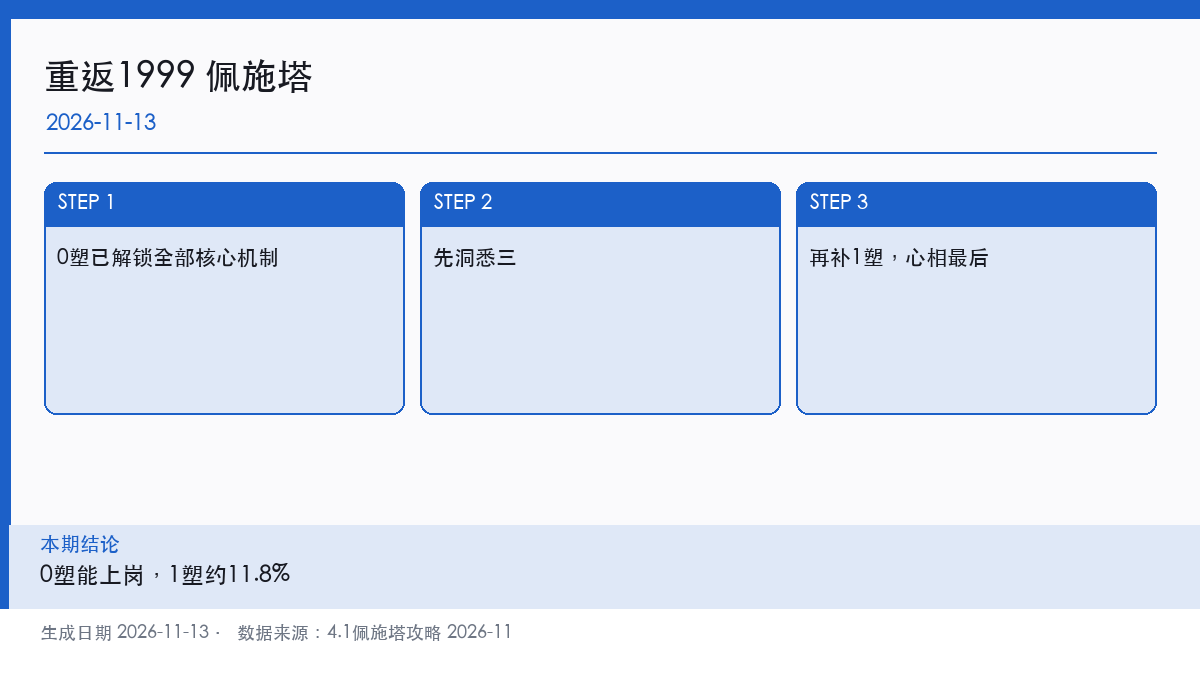
Yes. At 0 Portraits she has already unlocked every core mechanic: Seven Friends' damage sharing, crowd-control immunity, free card play, revive, and dispel. A standard Cognition team can clear the vast majority of stages with her. That is why the pull advice reads “get the base copy first” rather than “chase Portraits.” The reason to stop at 0 is that Portrait 1's 11.8% already covers almost every scenario; anything beyond that is paying for high-difficulty content only.
Why Portrait 4 Ranks Last
Portrait 4's damage increase is noticeably smaller than the other tiers, which for a survival-first unit makes it a nice-to-have. On a limited budget, take Portrait 1 and leave the rest for later.
Perchta Teams: the Standard Cognition Lineup and Substitutes
The Standard Cognition Team
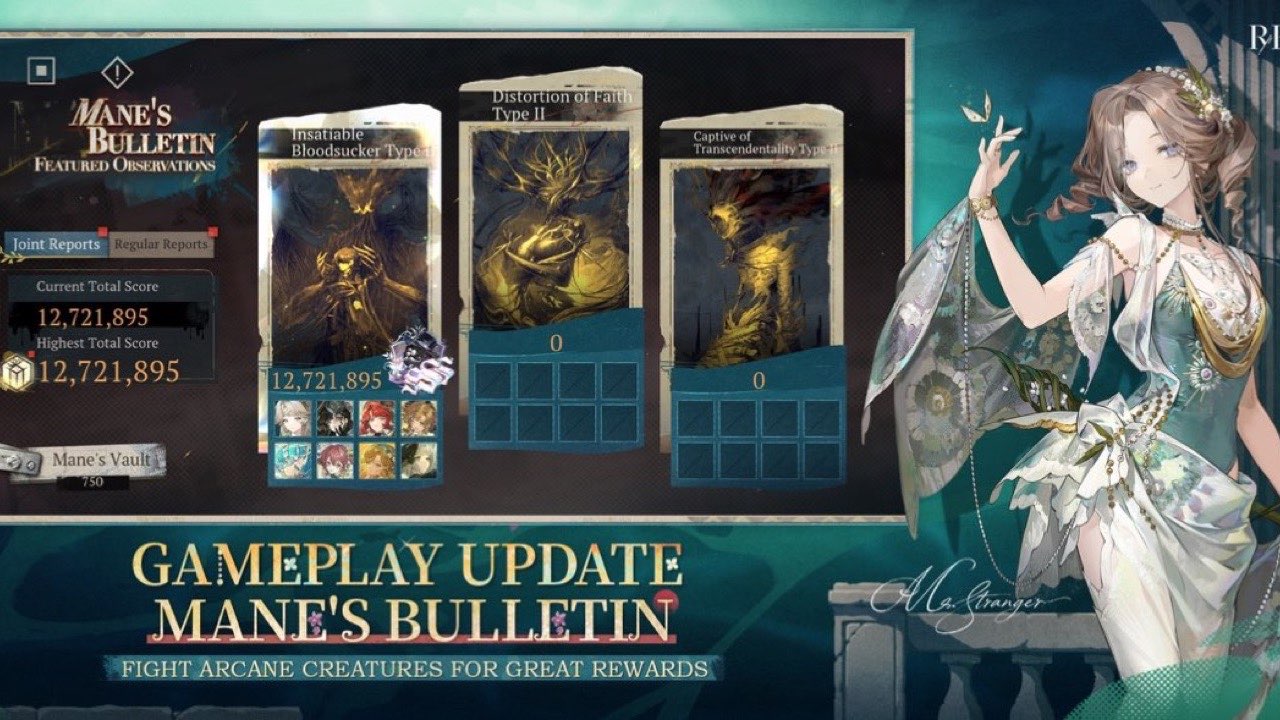
Red Crossbow, the Huntsman Witch (main DPS) + Rhapsody 37 (sub-DPS, the Cognition soul) + Little Rhiannon (rotation and damage amplification) + Perchta (survival and system support). Perchta takes Rhapsody J's slot, easing the survival pressure Cognition teams feel while ramping up; the difference in how the rotation plays is qualitative, not quantitative.
If You're Missing Little Rhiannon
Without the rotation slot, plug in any charging or damage-amplifying support and focus on keeping Seven Friends alive. The moment Seven Friends falls, the team loses crowd-control immunity and damage sharing at the same time, and that is usually the turn the run falls apart.
Resist the urge to cut Rhapsody 37 while you patch the lineup: break the Cognition point supply and Perchta's damage amplification stops working too. Swap supports first, never the Cognition core.
Perchta Psychubes: Two Options
Unspeakable Lightness
The utility-leaning pick. It pairs with her dispel and damage-sharing kit, which makes it the better choice in high-difficulty stages where you need to clear control effects often. Psychube refinement improves her slowly, because her value comes from mechanics rather than raw stats, so refinement sits behind Insight and Portraits in priority.
The Pure Cradle
“The Pure Cradle” is the new six-star psychube added in 4.1, so check its exact numbers in-game. If neither option fits your account, run the utility pick first and don't force something into the slot just to fill it.
Resource Planning: What This Version Gives You for Free
Compensation and Login Rewards
Version 4.1 runs a week shorter than usual, so the developers compensated with 600 Clear Drops and 5 Bitter-Eye Candy Tins, claimable the moment the update lands. The version also runs a limited login event worth 14 pulls in total. Together the two are close to the value of a ten-pull, so free-to-play players should not leave them on the table.
The “Ripples on the Lake” Selective Banner
Running alongside is “Ripples on the Lake,” a rotating permanent selective banner open from November 5 to December 10, where you choose the featured six-star yourself. The pool includes Ulrich, Mane Sand, 37, Centurion, and Isolde. Here, filling gaps in your roster beats chasing raw power, and older accounts feel that difference most.
Tier lists drift from version to version, but the value of a selective banner is not the ranking, it is certainty: you name the six-star you walk away with instead of rolling for odds. When you are missing a key piece, that beats pulling a brand-new character.
Perchta FAQ
Do I Have to Pull for Perchta?
A: If you play Cognition, pull her first. At 0 Portraits she already covers damage sharing and crowd-control immunity, which frees up two support slots; if you already have a strong cleanse-capable survival unit and don't run Cognition, you can skip her.
Is She Usable at 0 Portraits?
A: Yes. At 0 Portraits she unlocks all five core mechanics: Seven Friends' damage sharing, crowd-control immunity, free card play, revive, and dispel. That is enough for most stages with a standard Cognition team.
Where Should I Stop With Portraits?
A: Portrait 1. Portrait 1 is worth roughly 11.8%, Portrait 2 about 13.7%, and only Portrait 3 reaches the 28% survival tier, so value ranks 1 > 2 > 3.
Which Psychube?
A: Start with the utility pick, Unspeakable Lightness. The Pure Cradle is the new six-star psychube from 4.1, so confirm its numbers in-game; if neither suits your account, don't force one into an empty slot.
Action Checklist
- Finish Insight III before you touch Resonance or Portraits.
- Stack HP on your main stats, not ATK.
- Portrait 1 first, Portrait 4 last.
- Keep Seven Friends from being shattered: it is where the team's crowd-control immunity comes from.
- The first-half banner closes at 04:59 on November 26, so claim those 14 login pulls before then.