Get the order wrong and the entire patch runs short of resources. Reverse: 1999 4.0.0 “The Answerer” went live on September 24, 2026 (source: official version notes), and fresh accounts and returning accounts start from much the same place. Whoever untangles the order first is the one who takes fewer detours.
So what is that order? Putting teams together belongs in the Reverse: 1999 2026 tier list; this guide only covers three things: who to build first, what to farm first, and where Clear Drops come from. Every term gets explained as it appears, so a first-time player can follow along. Walk through it once with me — from what 4.0 changed to that one week of Limbo each month — and you will know exactly what the next 30 days should look like and what can wait.
4.0 at a Glance: the Version Numbers Don’t Match, but the 16th Does
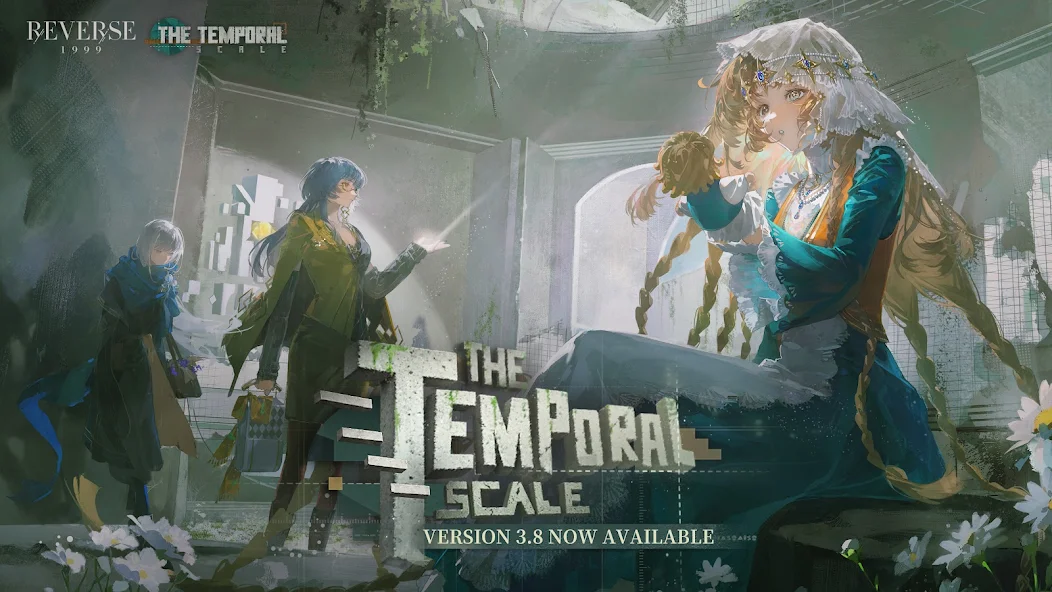
Spend one minute pinning down the version and the date, because everything that follows rests on those two facts. First, the obvious: the CN and global clients no longer share a version number. The CN official site lists 4.0.0, updated 2026.09.24, while the global App Store still shows 3.8 (source: App Store listing, checked October 29, 2026). Same game, two numbering schemes, a whole version apart.
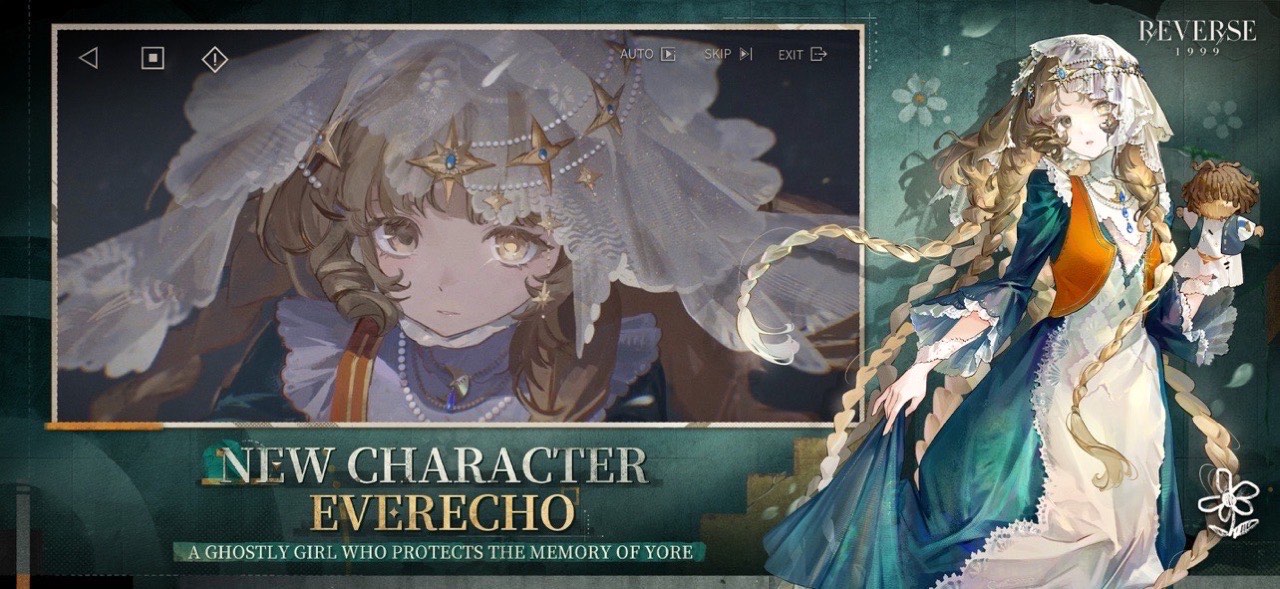
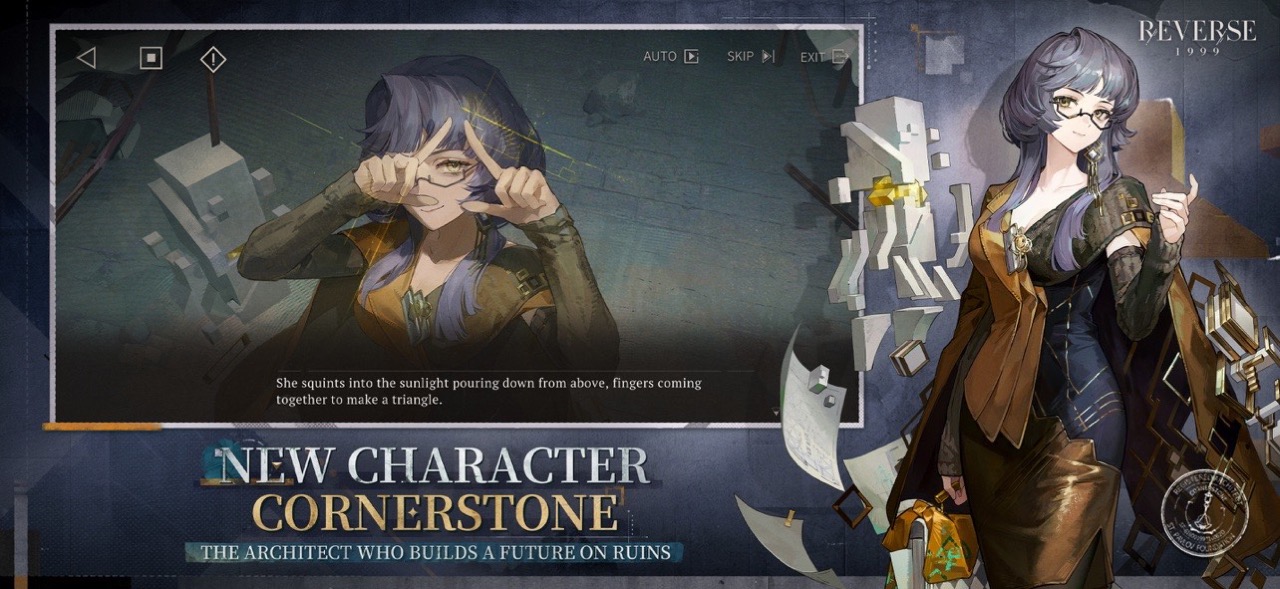
The 4.0 story update brought new stage mechanics and a new character pool, and enemy setups in Artificial Somnambulism changed along with them (source: official 4.0 notes). Last patch’s full-star teams cannot simply be copied over.
Per the Reverse: 1999 tier list, the teams did not get weaker — the environment changed. The same four characters, facing reconfigured enemies, may not even have enough turns to finish the fight. Force an old answer onto a new problem and you will doubt yourself more with every attempt. And “Limbo” sounds intimidating, but it is simply a challenge dungeon that opens once a month: two halves, two teams rotating through them, rewards settled by how many stages you clear.
What a new player should memorize is not a strong character but a date: the 16th of every month. Limbo opens at 05:00 on the 16th and a full-star clear pays 700 Clear Drops (source: community roundup, third-party). That is the one steady, high-value Clear Drop source a beginner has, and it is the foundation of the ledger later in this guide. A shaky foundation makes everything built on top of it meaningless.
The First 30 Days: Three Stretches, Skip None of Them
Now that you know where the money comes from, here is how the next 30 days should go. Most people’s problem is not a lack of effort but a target that changes every few days: story today, event materials tomorrow, back to patching characters the day after, until every path is half-walked. The first 30 days are three stretches. Finish them one at a time and you will move faster than with any other approach.
The main story is your main source of free Clear Drops and upgrade materials. Do not scatter your first ten days across events; push the story to its current cap and unlock features one by one (source: official 4.0 notes). This stretch is genuinely dull, but it pays. Every extra chapter now is one fewer material wall later. People who rush into events usually come back to finish this lesson anyway.
Days 11 to 20, with the story done, are for building characters. Limbo rotates two teams, but at the beginner stage one team that can punch through the lower floors is enough. The focus here is Resonance level, not roster size. Five half-built characters are worth less than one that works. It is an unpleasant sentence, but “I want all of them” is exactly where new players burn half a month.
All of the above assumes a fresh account. An account coming back after a break works differently. Returning players most often spread resources thin chasing “every character I missed”, but ask yourself honestly: what you actually lack — characters, or investment in the ones you already own?
Three things are worth doing: write off the event Clear Drops you missed while away, check whether your main damage dealer’s Insight level has fallen behind, and re-order your Psychubes for the current patch. Finish those three and the power gain will be far more visible than a new pull — Insight and Psychube gains multiply together, while a new character starts again from zero (basis: multiplicative returns versus building from scratch).
Days 21 to 30 return to the timeline once the gaps are filled. A second team exists for the second half of Limbo. Only now do Psychubes and Tuning come into play, because Psychube value only shows up once Resonance is high enough to carry it. Adding Psychubes before levels is dressing someone who has not grown yet in excellent gear: the clothes are fine, the person still cannot stand.
Progression Order: Insight First, Resonance Second, Psychubes Last
With the 30-day frame in place, let us lay out each step. New players always ask “who should I build first”, but the real answer is not a character — it is an order: Insight, then Resonance, then Psychubes, each one resting on the last. Get the order right and your resources compound. Get it wrong and you spend double the materials for a power level that does not move.
The order is easy to state. What these three things actually are needs explaining first, or you will copy the sequence backwards.
Insight is a character’s ascension tier. Each level lifts the ceiling on their skills a little, and Insight III is the door that matters: for many characters the core kit only really comes together at that tier.
Resonance is where attribute points get distributed. Higher levels mean more points to place. It adds numbers only; it never changes a skill.
A Psychube is the piece of gear hanging off a character, and it supplies structural gain; leveling the Psychube itself, by contrast, tops up raw stats.
Three different jobs, so the sequence follows naturally. Walk down this list: Insight III on the carry first, because that tier unlocks the key skill level; then push Resonance to 10, the value breakpoint for most characters; Insight II to III on supports is enough, since supports earn their slot with utility rather than stats; Resonance 11 to 15 comes last, where returns diminish and the cost stops being worth it.
Resonance tiers map onto attribute point allocation, and 10 to 11 is where marginal return turns for most characters (source: 4.0 Afterglow resonance roundup, third-party). Pushing on to 15 still raises stats, but material costs climb in steps: the same gain, at a higher price. That is what “breakpoint” means. So the conclusion is not “higher Resonance is always better” but “get the carry to the breakpoint before pushing further”. Run a support to Resonance 12 while the carry sits at 8 and neither of them is enough.
You have seen these accounts: the stat sheet looks respectable, and then nothing holds up once a fight starts. That is not under-investment, it is mis-investment. Once Insight and Resonance are handled, Psychubes finally get their turn. A Psychube supplies structural gain while its level supplies numbers — so pair the Psychube first and level it second; that is the general order (source: 4.0 Psychube roundup, third-party). Reverse it and every material you spend buys a sliver of stats. A month of work, and the enemy still one-shots you.
Prioritize whoever carries the damage, then anyone who supplies damage amplification or crystals. Support Psychubes can wait until last: a support only needs to stay standing, that is not what it is paid for.
With the recipients settled, one choice remains: Tuning. Tuning is the stat lean on a Psychube, and which one you take depends on where that character stands in the team. Damage slots take Chisheng; utility slots take Gradual Balance or Ephemeral Madness (source: 4.0 Afterglow tuning roundup, third-party). More Tuning is not automatically better — put it on the wrong slot and any amount of it is wasted.
The Clear Drop Ledger: Count the Free Part First
Everything above eventually lands on one thing: Clear Drops. They are both the pull currency and the only resource that time alone cannot refill indefinitely. Without a ledger in your head, pulling is gambling — work out your fixed monthly income first, and only then will you know how many hard pities you can afford.
Fixed income comes from a handful of places: 700 Clear Drops a month from a full-star Limbo, opening at 05:00 on the 16th; the story and its stages, which pay by progress and only once; events, which follow their own cycle and the official notices; and dailies, small each day and not trivial across a month. Most people pull purely on feeling — this banner looks good, pull; the next one looks good, pull again. But have you ever counted what actually arrives each month?
The GameHub ledger simply records fixed income and one-time income separately. The shop will happily trade Clear Drops for upgrade materials, but at a steep premium: a beginner’s Clear Drops belong to pulls, and materials should come from the story and events (basis: Clear Drops carry a far higher opportunity cost than materials). The same material bought with stamina in the story beats what the shop sells for Clear Drops by a wide margin, and that spread gets paid back eventually.
Clear Drops you save need income to replace them. Limbo refreshes monthly, opens at 05:00 on the 16th, and settles rewards by the stages you clear — 700 Clear Drops at full stars (source: community roundup, third-party).
The first week after it opens is the safest window: your team’s investment has already settled, so you will not have to re-clear because of upgrades made mid-run. Investment only gets you through the door; how you split the teams decides the rest. Limbo rotates two teams and no character can appear in both, so build your first batch of characters as two squads of four instead of pouring everything into four units.
That is why so many people stall halfway through Limbo: not a lack of investment, but an inability to field a second team. Four finished characters at the gate, and the other half of the dungeon you cannot even enter — who could swallow that? Clear the floors you can, bank the partial rewards, and pick up the rest next month once investment catches up. Limbo is not going anywhere, but it does reset monthly; do not lock up a whole month of resources chasing full stars.
Materials: the Shop Is the Last Resort
Save your Clear Drops and apply the same logic to materials. Insight and Resonance materials come mainly from story stages and event exchanges; the shop is only a supplement. The classic beginner error is “buy whatever I am short of”, which drains the Clear Drop balance and still leaves a material gap — the shop’s unit price is far above what the same stamina farms in the story.
Do this instead: commit stamina to the stages your current phase needs, cover shortfalls through event exchanges, and reserve shop purchases for the one or two materials that are hard-blocking you right now.
Materials deserve a second calculation too. Every Resonance step costs more materials than the step before, which is the other half of why “10 to 11 is the breakpoint”: stats keep climbing, but the same increase eats more materials with each tier (basis: the tier-to-cost relationship).
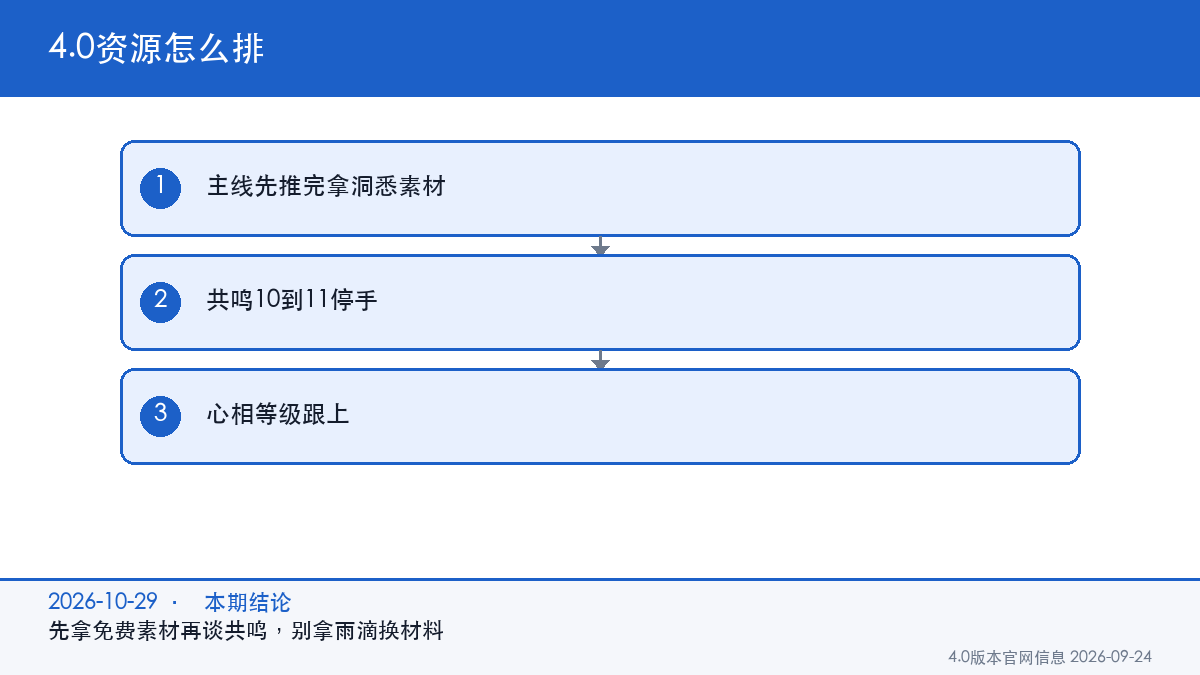
Look back at the opening line now: reverse the order and the whole patch runs short. By this point you know which step moves first — push the story to its cap, take the carry to Insight III, Resonance to 10, pair Psychubes next, and keep Clear Drops for pulling. Those three digits at the start of this guide were never supposed to happen.
Reverse: 1999 4.0 FAQ
When did 4.0 launch?
A: The CN server updated to 4.0.0 “The Answerer” on September 24, 2026 (source: official version notes). The global client is numbered 3.8, so the two do not move together.
When does Limbo open?
A: 05:00 on the 16th of every month, once per month, 700 Clear Drops at full stars (source: community roundup, third-party).
Insight III first, or Resonance first?
A: Insight III on the carry first, then Resonance to 10. The step from 10 to 11 is where value peaks for most characters.
Should Clear Drops be traded for materials?
A: No. Clear Drops are the universal pull currency, and one pull costs far more than the materials the same stamina farms in the story.
Should Psychubes be leveled first?
A: Pair first, level second. A Psychube supplies structural gain; a single level only tops up raw stats.
The first rule of any Reverse: 1999 beginner guide: Clear Drops are for pulling and nothing else.
Insight III comes before Resonance because Insight III unlocks a skill tier while Resonance only adds stats. The two do not operate on the same layer.
Action Checklist
- Days 1–10: push the main story to its current cap.
- Take the carry to Insight III, then Resonance 10.
- Pair Psychubes before leveling them.
- Run Limbo in the first week after 05:00 on the 16th.
- Keep Clear Drops for pulls, never for materials.
Versions and events follow the official notices. This Reverse: 1999 progression order is archived in the gghubs.com guides section.